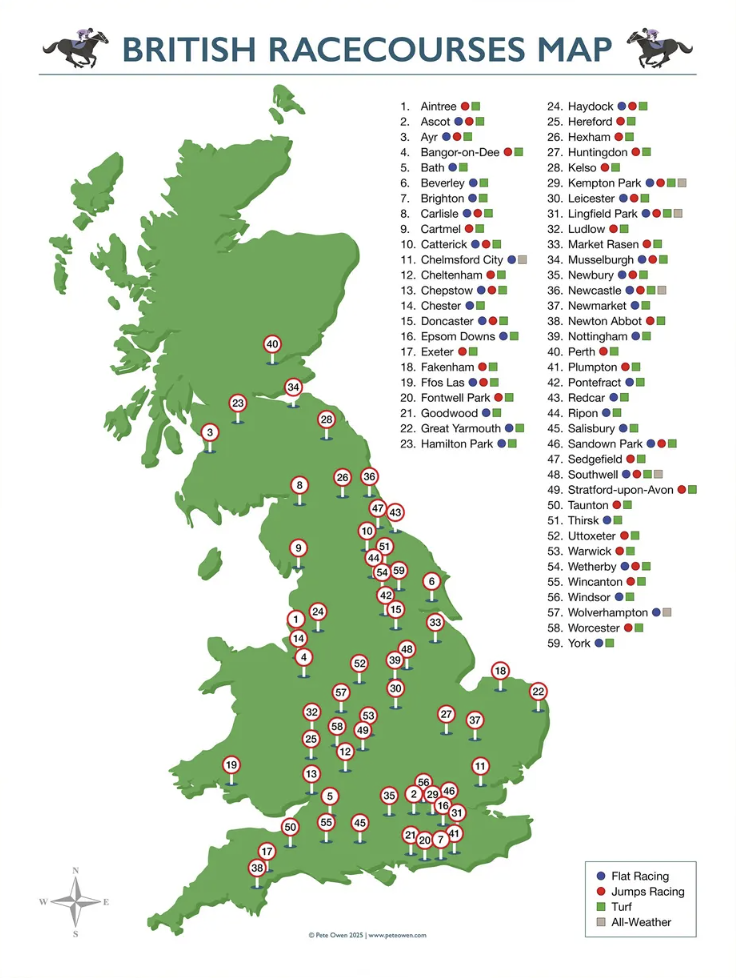
The Current State and Excitement of UK Horse Racing: Insights and Background
The UK horse racing scene has an illustrious history that dates back centuries, captivating audiences with its thrilling races, majestic horses, and wealthy prizes. However, this year faced challenges that have temporarily grounded the sport, leading fans to explore alternative options, such as UK horse racing not on GamStop non GamStop horse racing. In this article, we will delve into the current state of UK horse racing, the reasons behind recent cancellations, and the excitement that still surrounds this beloved sport.

The Rich History of UK Horse Racing
Horse racing in the United Kingdom is often regarded as one of the oldest sports in the world, with its origins traced back to ancient civilizations. It transformed drastically over the years, from informal local competitions to well-organized events involving substantial prize money. The establishment of racing clubs and the introduction of formalized rules in the 18th century helped cement horse racing’s status as a prominent spectacle. The legendary Ascot Racecourse and the Epsom Derby have become synonymous with top-tier racing, drawing thousands of spectators each year.
What’s Happening: UK Horse Racing Not On
As the ongoing pandemic continues to impact various sectors, UK horse racing has not remained untouched. In early 2023, several major events faced cancellations or rescheduling due to complications related to health protocols and safety measures. Problems have arisen from logistical challenges to public health concerns — critical factors that have forced racecourse management to reconsider their schedules. Although some events resumed with limited attendance and stringent safety measures, the atmosphere was starkly different from the roaring crowds typically associated with these occasions.
Alternative Racing Opportunities
As a response to the hiatus in traditional horse racing, enthusiasts have shifted their focus to alternative options, including international races or platforms like non GamStop horse racing. These alternatives provide a sense of community among bettors and fans alike, allowing them to continue supporting their favorite sport despite geographical constraints or recognizing the disruption caused by the pandemic.
Many of these alternative horse racing events are held online, offering fans access to a vast array of races from locations around the globe. This digital transition not only maintains engagement but also provides opportunities for bettors to explore races that may not have received significant attention previously. The accessibility of non GamStop racing events has made it easier for fans to participate in racing, even when traditional events are on pause.
The Role of Technology in Modern Horse Racing
While the current global health crisis has brought challenges, it has also catalyzed a rapid evolution in how horse racing is consumed. Online streaming services and betting platforms have become increasingly sophisticated, enabling fans to watch races live from the comfort of their homes. Social media platforms and digital sharing tools have helped breed a new generation of racing fans who engage deeply through commentary, analysis, and real-time updates.
Community and Culture in Horse Racing
Horse racing is about more than just the races; it’s a vibrant community that encompasses a variety of participants, from owners and trainers to jockeys and spectators. The social aspect of racing is a significant draw, marked by spirited discussions, camaraderie among fans, and celebrations across various events. In light of recent cancellations, many racing enthusiasts have found joy in virtual community gatherings and discussions about the sport, sharing insights and experiences even when live events are not occurring.
The Future of UK Horse Racing
The future of horse racing in the UK is still bright, with many fans eagerly anticipating the resumption of full-scale events. Stakeholders in the industry are working tirelessly to devise plans that focus on safety, while still maintaining the rich traditions and pageantry associated with the sport. Innovations in racecourse management and betting technologies will also likely play a significant role in rejuvenating interest when racing returns to its full form.
In Conclusion
Despite the challenges faced in the recent past and the state of UK horse racing not being conventional, the passion and dedication of fans, competitors, and stakeholders remain unwavering. As an adaptive sport that continues to embrace technology and community, horse racing promises to endure and thrive. Whether through traditional means or innovative pathways like non GamStop options, the spirit of horse racing in the UK signals a hopeful return to form in the not-so-distant future.